
Protect Your Vision, Proactively and Precisely
For patients with both cataracts and glaucoma, Dr. Rodila can address both conditions in a single procedure using advanced, minimally invasive techniques.
What Is Glaucoma?
Glaucoma is a group of eye conditions that damage the optic nerve, usually caused by elevated pressure inside the eye. It’s one of the leading causes of irreversible vision loss in adults over 60.
What makes glaucoma particularly concerning is that it develops silently. Most people don’t notice any symptoms until significant vision has already been lost. That’s why it’s often called “the silent thief of sight.”
The good news is that when caught early, glaucoma can be managed effectively. And for patients who also need cataract surgery, today’s technology allows Dr. Rodila to treat both conditions at the same time.
Could You Be at Risk?
Because glaucoma rarely causes early symptoms, awareness of risk factors is your best defense. You may be at higher risk if you:
- Are over 60 years old
- Have a family history of glaucoma
- Have elevated eye pressure
- Are severely nearsighted or farsighted
- Have had a previous eye injury
- Have been on long-term corticosteroid medication
- Are of African, Hispanic, or Asian descent
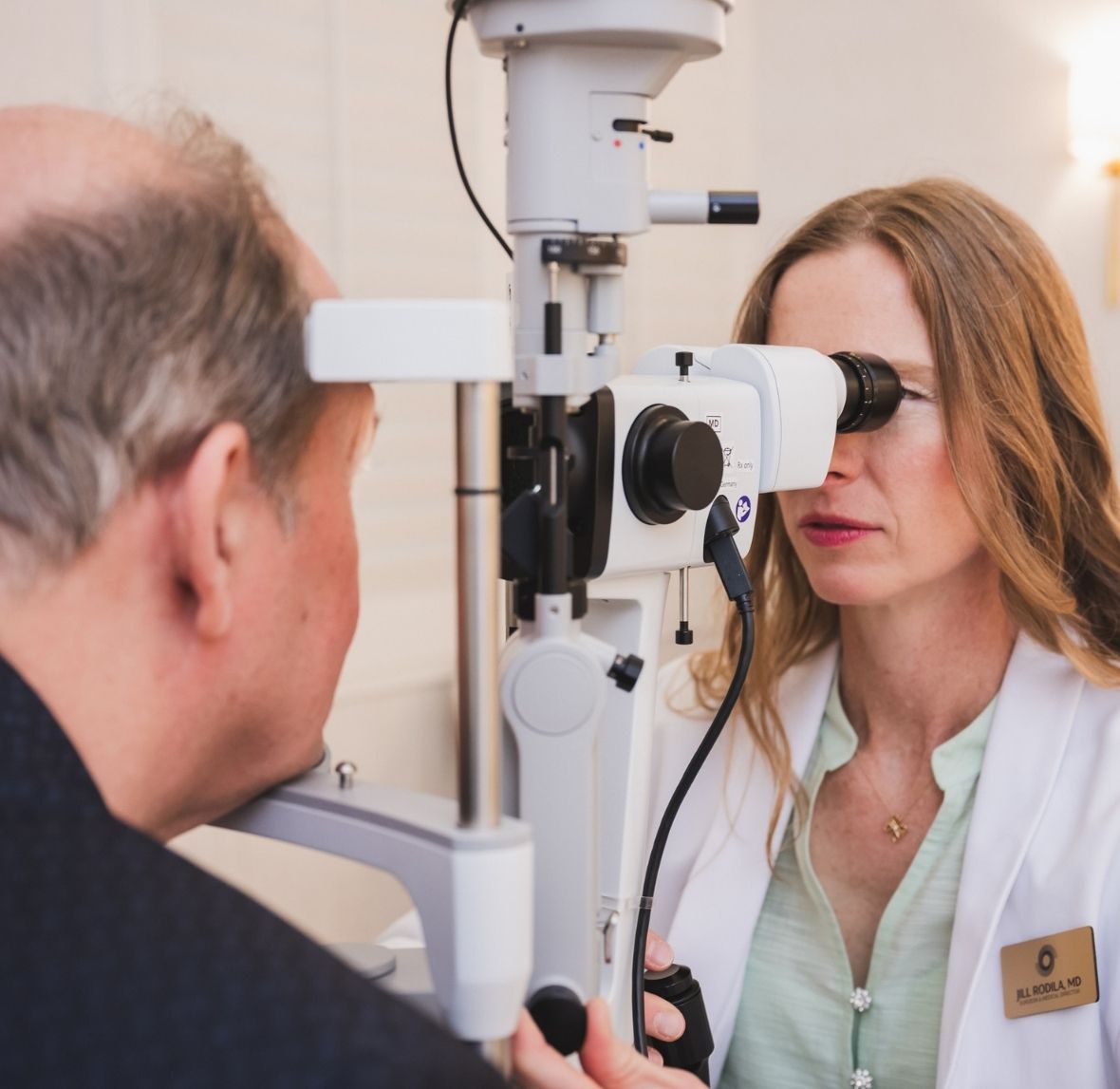
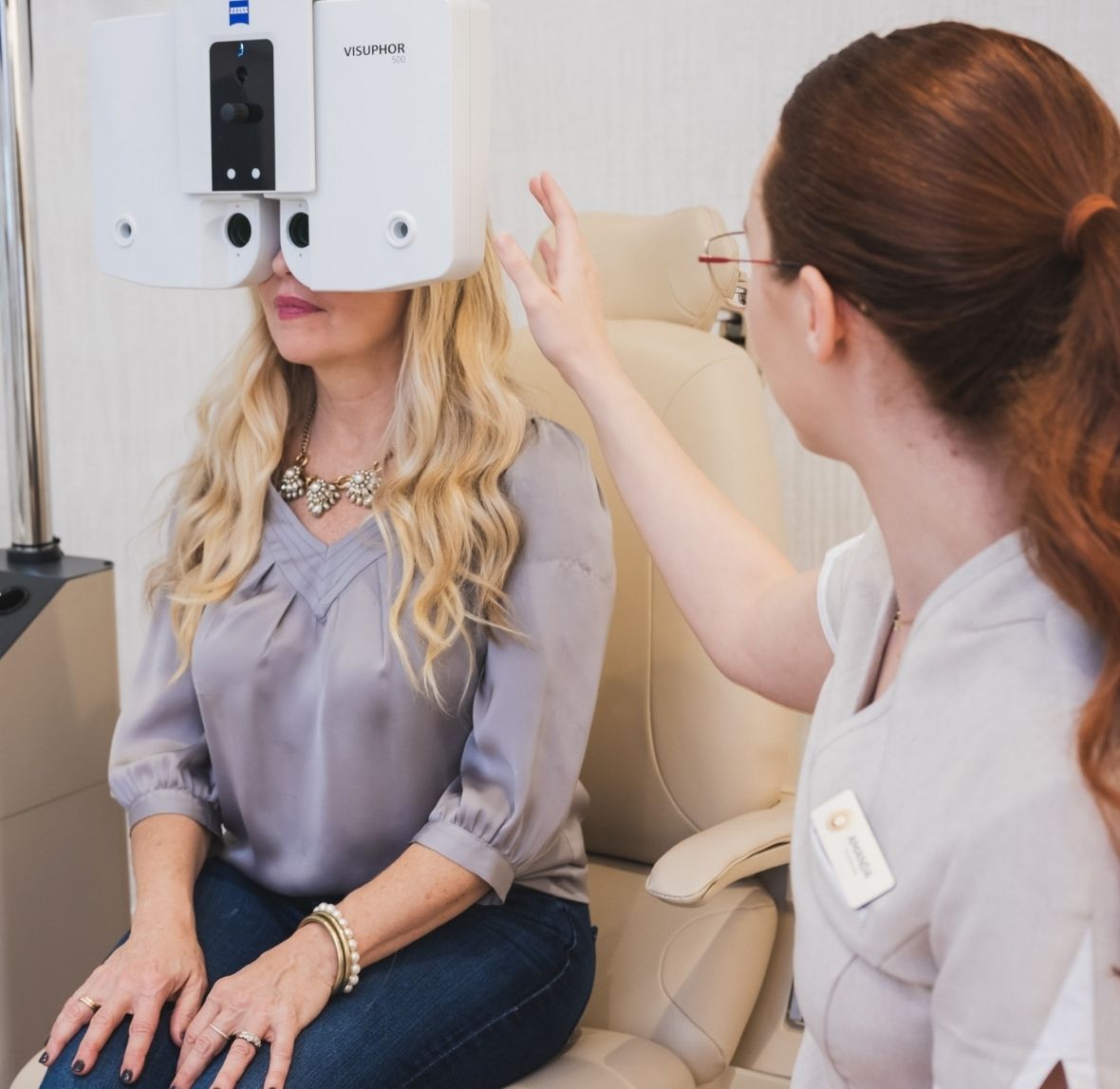
Regular comprehensive eye exams are the most reliable way to detect glaucoma before it affects your vision. If you’re already scheduled for a cataract evaluation, Dr. Rodila will assess your glaucoma risk at the same visit.

Cataract Surgery + Glaucoma Treatment in One Step
If you have both cataracts and mild to moderate glaucoma, Dr. Rodila can combine your cataract surgery with a MIGS procedure, addressing both conditions in a single surgery with a single recovery.
What Is MIGS?
MIGS stands for Minimally Invasive Glaucoma Surgery. These micro-scale procedures use tiny devices or precise incisions to improve the eye’s natural drainage system, lowering pressure with significantly less risk and faster recovery than traditional glaucoma surgery.
MIGS is performed through the same incision used for cataract surgery, so there is no additional downtime, no separate procedure, and no extra recovery period.
Benefits of Combining MIGS with Cataract Surgery
One Procedure
One surgery, one recovery, one set of follow-up visits.
Fewer Drops
Potential to reduce or eliminate daily glaucoma eye drops.
Dual Benefit
Lower eye pressure while restoring clear vision.
Lower Risk
Fewer complications compared to traditional glaucoma surgery.

Managing Glaucoma Beyond Surgery
MIGS combined with cataract surgery is one piece of the puzzle. Depending on the stage and severity of your glaucoma, your overall treatment plan may also include:
Prescription Eye Drops: Daily medicated drops that reduce eye pressure by decreasing fluid production or improving drainage. For many patients, drops are the foundation of ongoing glaucoma management.
Selective Laser Trabeculoplasty (SLT): A gentle, in-office laser treatment that stimulates the eye’s drainage system to lower pressure naturally. SLT can reduce or even eliminate the need for daily drops, and the treatment can be repeated if needed.
Dr. Rodila works closely with your referring optometrist to ensure your glaucoma care is coordinated and comprehensive, both before and after surgery.
“I’d been on three different eye drops for years and dreaded them every morning. Dr. Rodila added a MIGS procedure during my cataract surgery, and now I’m down to one drop. The whole process was easier than I expected.”

Common Questions About Glaucoma & MIGS
Can glaucoma be cured?
There is currently no cure for glaucoma, and vision lost to optic nerve damage cannot be restored. However, with early detection and proper treatment, further vision loss can be slowed or prevented entirely. That’s why routine eye exams are so important.
What does MIGS stand for?
MIGS stands for Minimally Invasive Glaucoma Surgery. It refers to a category of procedures that use microscale techniques to lower eye pressure with less risk and faster recovery than traditional glaucoma surgery.
Is MIGS covered by insurance?
Yes. Most MIGS procedures are covered by Medicare and private insurance when performed alongside cataract surgery. We’ll verify your coverage and explain any costs before you make a decision.
Will MIGS eliminate my need for eye drops?
Does MIGS add time to my cataract surgery?
Very little. Because MIGS is performed through the same incision as cataract surgery, it typically adds only a few minutes to the total procedure time. There is no separate surgery or additional recovery.
What if I have glaucoma but don't need cataract surgery yet?
Dr. Rodila specializes in MIGS as a combined procedure with cataract surgery. If you have glaucoma but aren’t ready for cataract surgery, your optometrist or a glaucoma specialist can help manage your condition with drops, laser treatment, or other therapies until the time is right.
Two Conditions. One Surgery. One Recovery.

BOOK YOUR EVALUATION
If you have cataracts and glaucoma, schedule a consultation with Dr. Rodila to find out if a combined procedure is right for you.
"*" indicates required fields