
Clear Vision Starts Here
What Are Cataracts?
A cataract is a clouding of your eye’s natural lens that causes blurry vision, glare, and faded colors. It’s the most common age-related vision condition, affecting more than half of Americans by age 75. The good news? Cataract surgery is one of the most successful procedures in all of medicine.


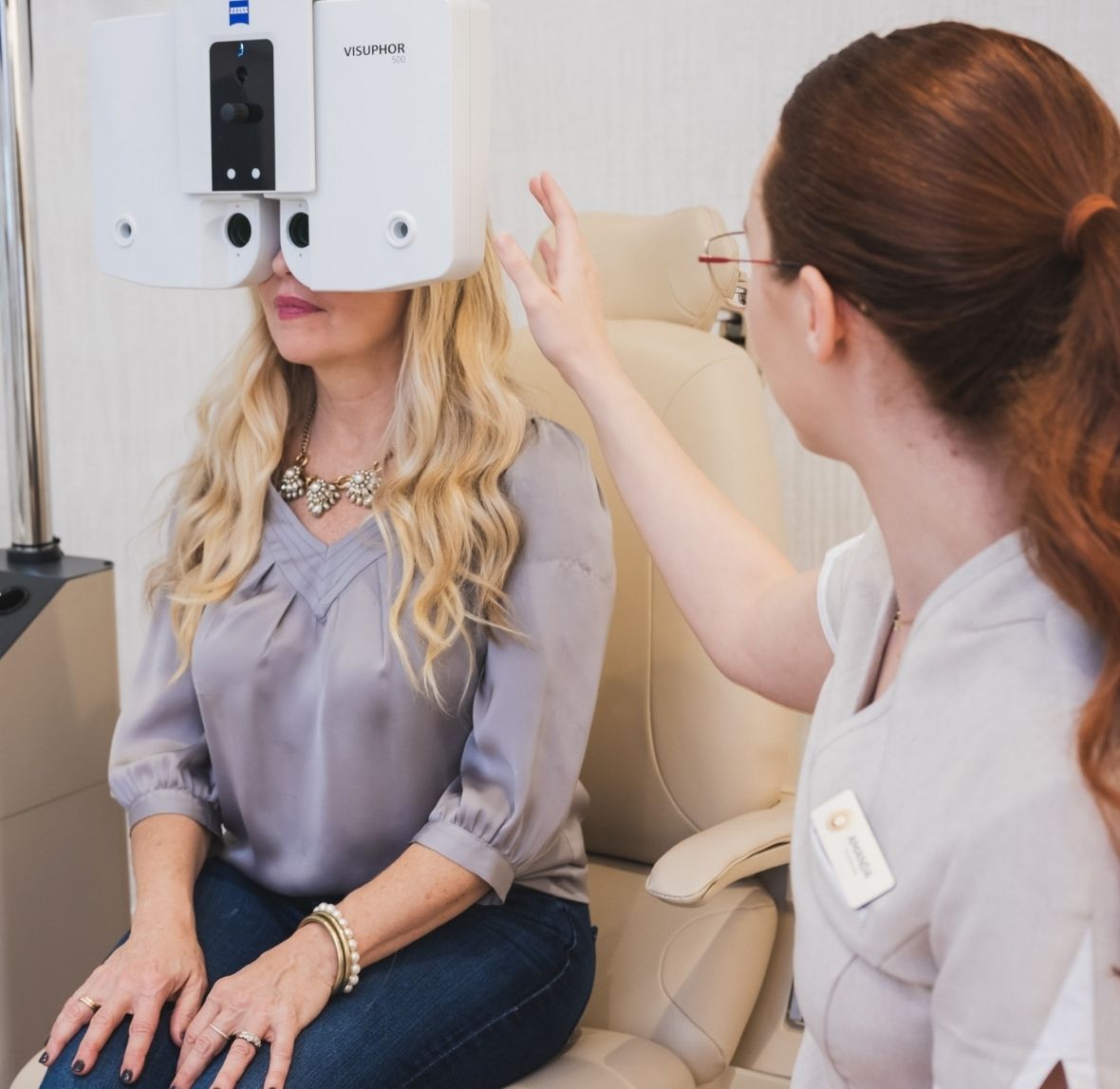
How Do You Know It's Time?
Most cataracts develop slowly. You may not notice at first, but over time you might experience:
- Blurred or dim vision, even with updated glasses
- Increased sensitivity to glare, especially driving at night
- Colors that look faded or yellowish
- Difficulty reading in low light
- Frequent changes to your eyeglass prescription
If any of these sound familiar, a cataract evaluation with Dr. Rodila can give you answers.
Want More Than Just Clear Vision?

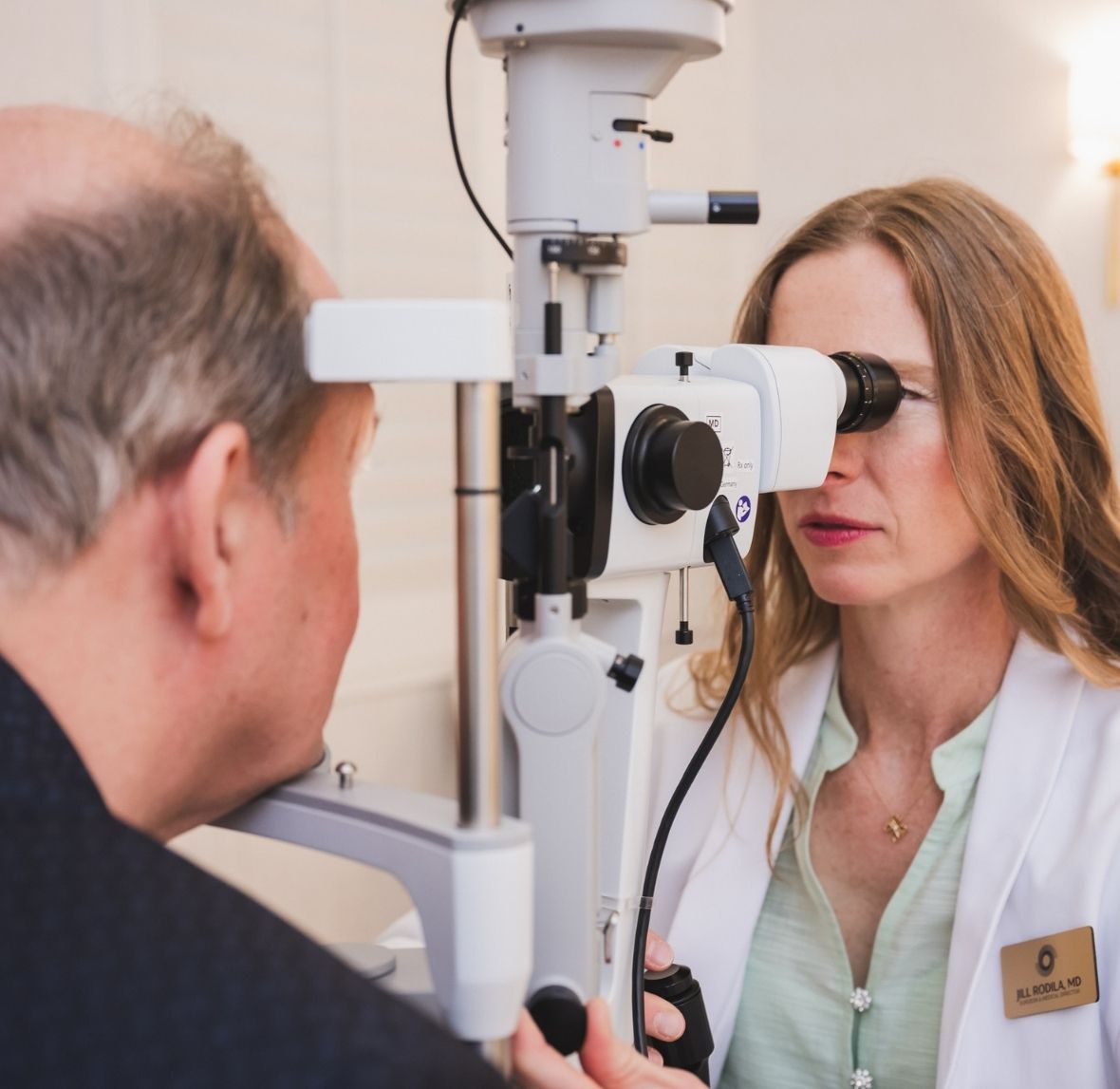
Why Patients Trust Dr. Rodila
Dr. Rodila didn’t open Rodila Eye to be the biggest practice in town. She opened it to be the most personal. One surgeon. One standard. Every patient gets the same unhurried attention, the same advanced diagnostics, and the same commitment to getting your vision right.
- One surgeon, start to finish — every consultation, surgery, and follow-up
- Bascom Palmer fellowship-trained, 25+ years of surgical experience
- Advanced diagnostics: Pentacam, IOLMaster, OCT
- Unhurried, personal care — no packed waiting rooms, no rushed appointments
- Seamless coordination with your optometrist
“My severely dry eyes made cataract surgery ultra-complicated, and I was scared. But when Dr. Rodila prayed with me, I felt everything would be okay — and it was. She’s brilliant, and now I no longer need glasses.”


Common Questions About Cataract Surgery
What should I expect during my evaluation?
Your evaluation takes about an hour and a half. Dr. Rodila and her team will perform diagnostic tests to measure your eye and assess your overall eye health, then sit down with you to discuss your vision goals and lens options. Your eyes will be dilated, so many patients find it helpful to bring a family member or friend.
Is cataract surgery painful?
No. Your eye is numbed with drops before the procedure, and most patients feel only light pressure. Many are surprised by how comfortable the experience is.
How quickly will my vision improve?
Will I still need glasses after surgery?
It depends on the lens you choose. A standard monofocal lens restores clear vision at one distance, so you may still need glasses for reading or driving. Lifestyle lenses can reduce or eliminate your dependence on glasses altogether.
Is cataract surgery covered by insurance?
Yes. Cataract surgery with single-focus lens replacement is covered by Medicare and most private insurance plans. Lifestyle lenses involve additional out-of-pocket cost, which we’ll explain clearly before you make any decisions.
Clearer Vision Starts Here

BOOK YOUR CATARACT EVALUATION
"*" indicates required fields